Qırmızı Qəsəbə: a living town, not an open-air museum
The town on the Qudyal river, facing Quba, is one of the very few places outside Israel with a Jewish-majority population.
Updated: 16 September 2026
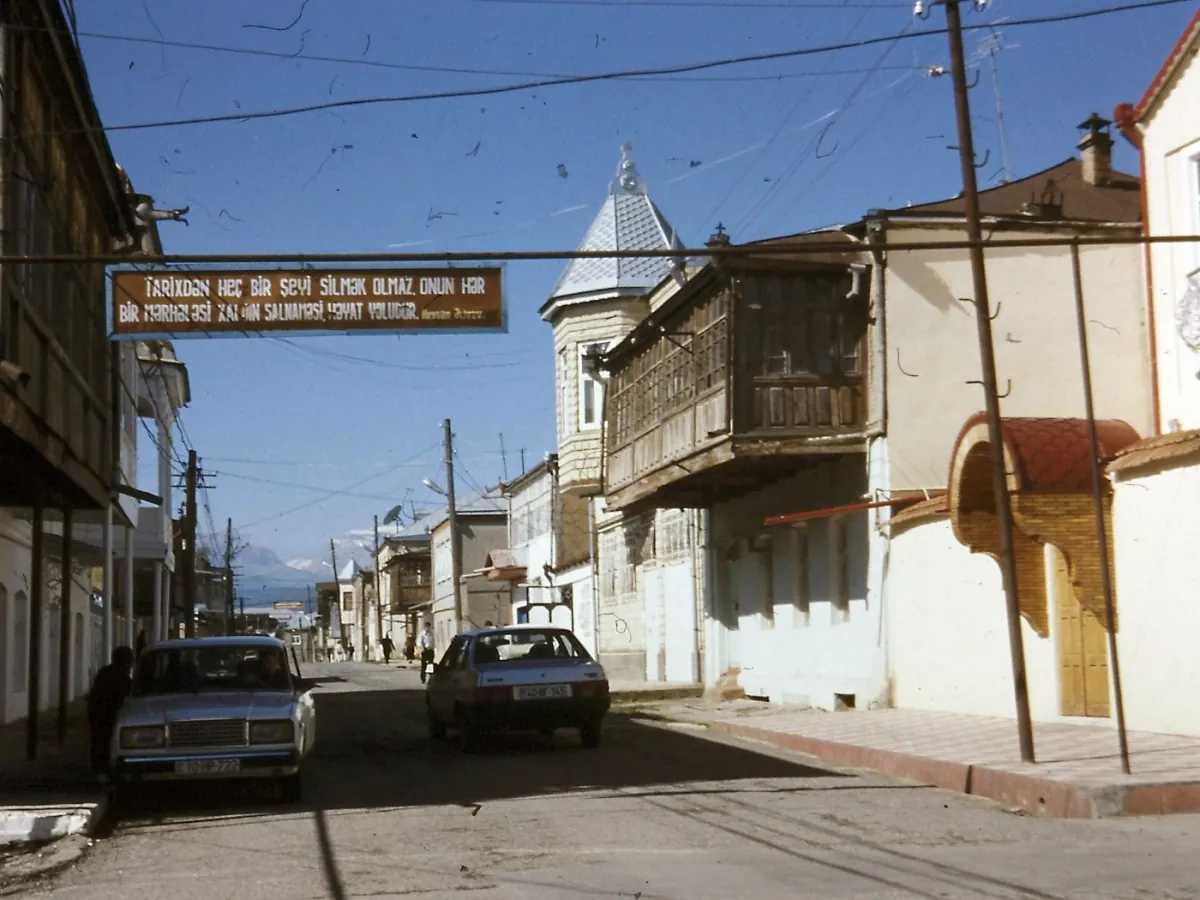
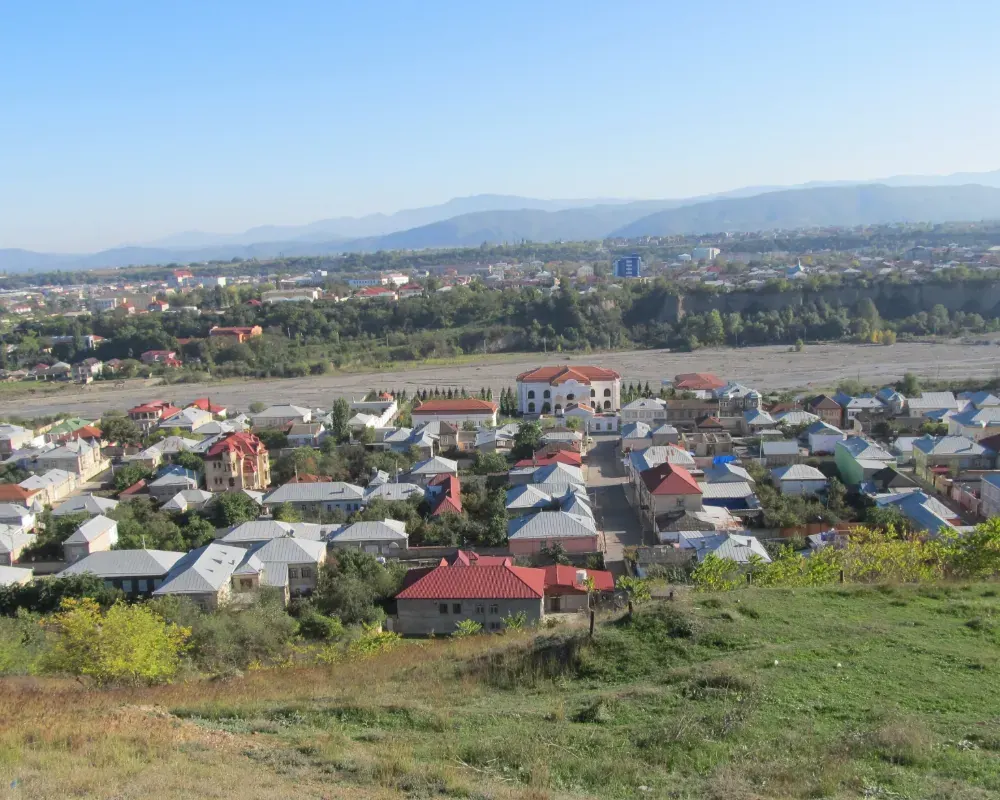
Mountain Jews founded the settlement in the 18th century; sources give different years, and in 2024 the museum marked its 290th anniversary. The first residents came from the village of Kulgat, while the Gilaki quarter was settled by Jews from Gilan in Iran.
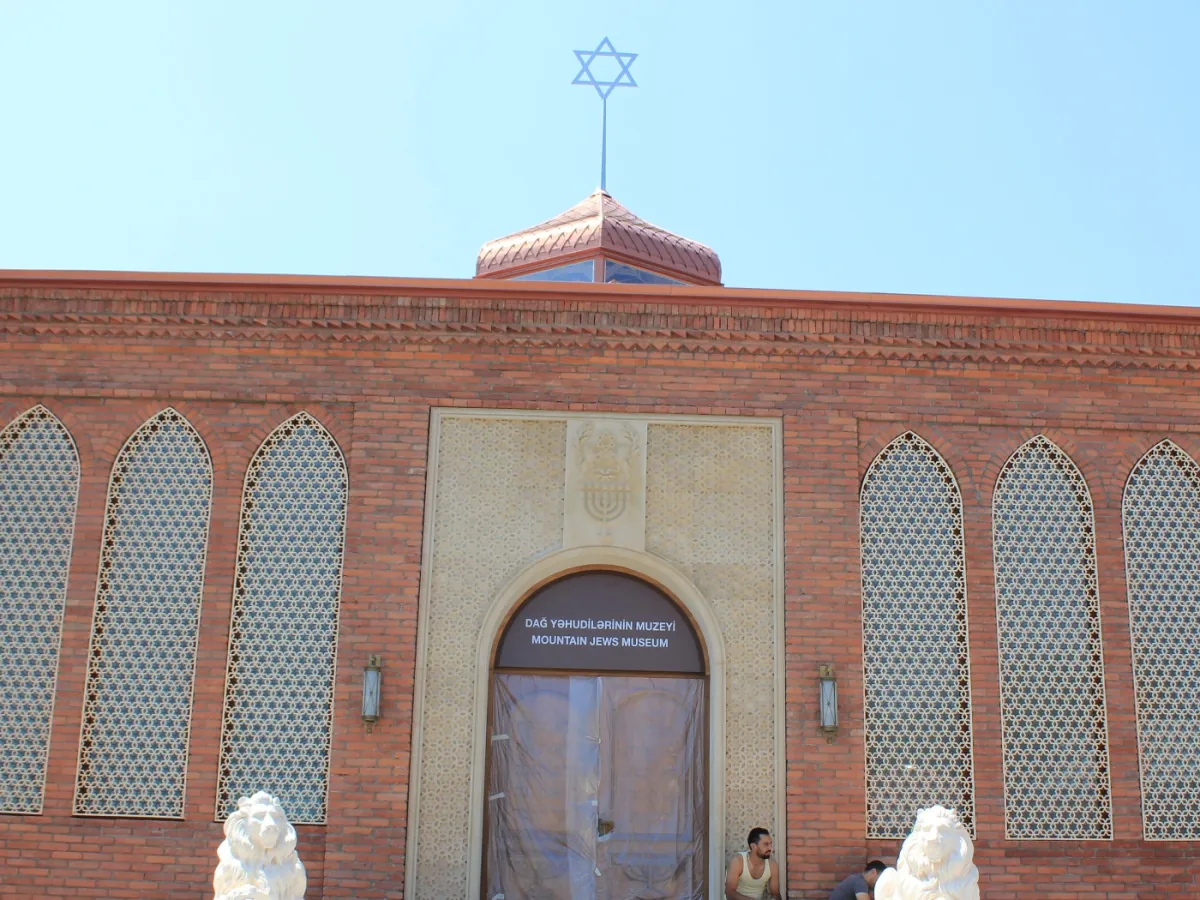
Juhuri (Judeo-Tat) is still spoken here. Synagogues are active in the town, and in 2020 the Museum of Mountain Jews opened in the 19th-century Karchog synagogue.
If you travel to Qırmızı Qəsəbə, start at the museum (hours are on the place card) and remember that the synagogues are active houses of prayer and the cemetery is a place of memory.
Sources and verification
The Juhuri language
Synagogues and religious life
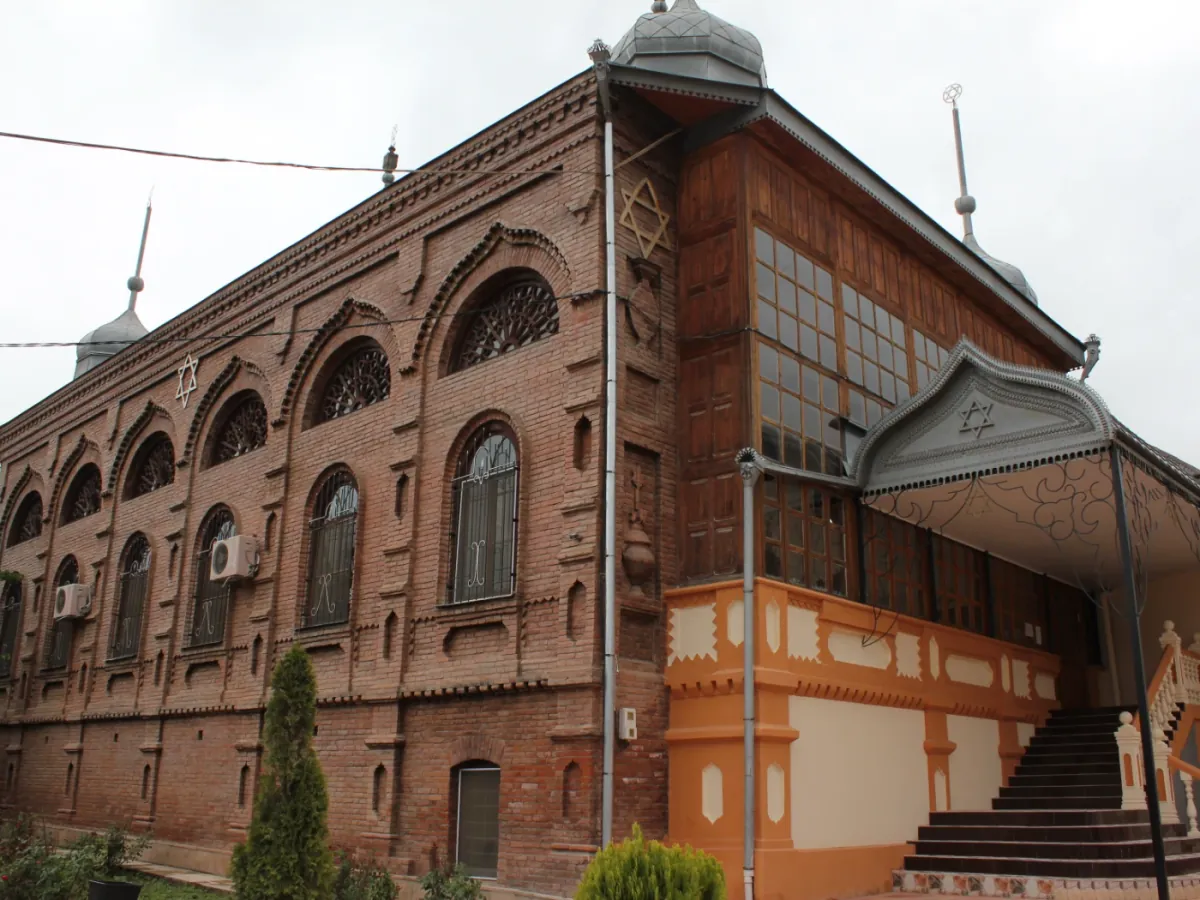
- Six Dome SynagogueThe main active synagogue of Qırmızı Qəsəbə, built in 1888 and recognisable by its six domes.Synagogue
- Gilaki SynagogueSynagogue of the Gilaki quarter, settled by Jews from Gilan in Iran. Its architect was Gilel ben Haim, whose name is carved into the brick facade; the foundation stone gives 1896 while a plaque above the door gives 1857, possibly carried over from an older prayer house. Its twelve windows match the number of the tribes of Israel.Synagogue
Museum of Mountain Jews
Cemetery and memory
From the archive
Oral histories
No recordings on this subject yet. If your family has memories, tell us.
Tell us about your family, your home, a holiday or your trade. We record the interview, show you the transcript and publish only what you agree to.
Write about your storyHow to visit
The synagogues are active houses of prayer and the cemetery is a place of memory. Check museum hours in advance, ask before photographing and dress modestly.
VisitingHistory & culture
Mountain Jews and the Juhuri language
Juhuri is an Iranian language spoken for centuries by the Mountain Jews of the eastern Caucasus.
Read the essay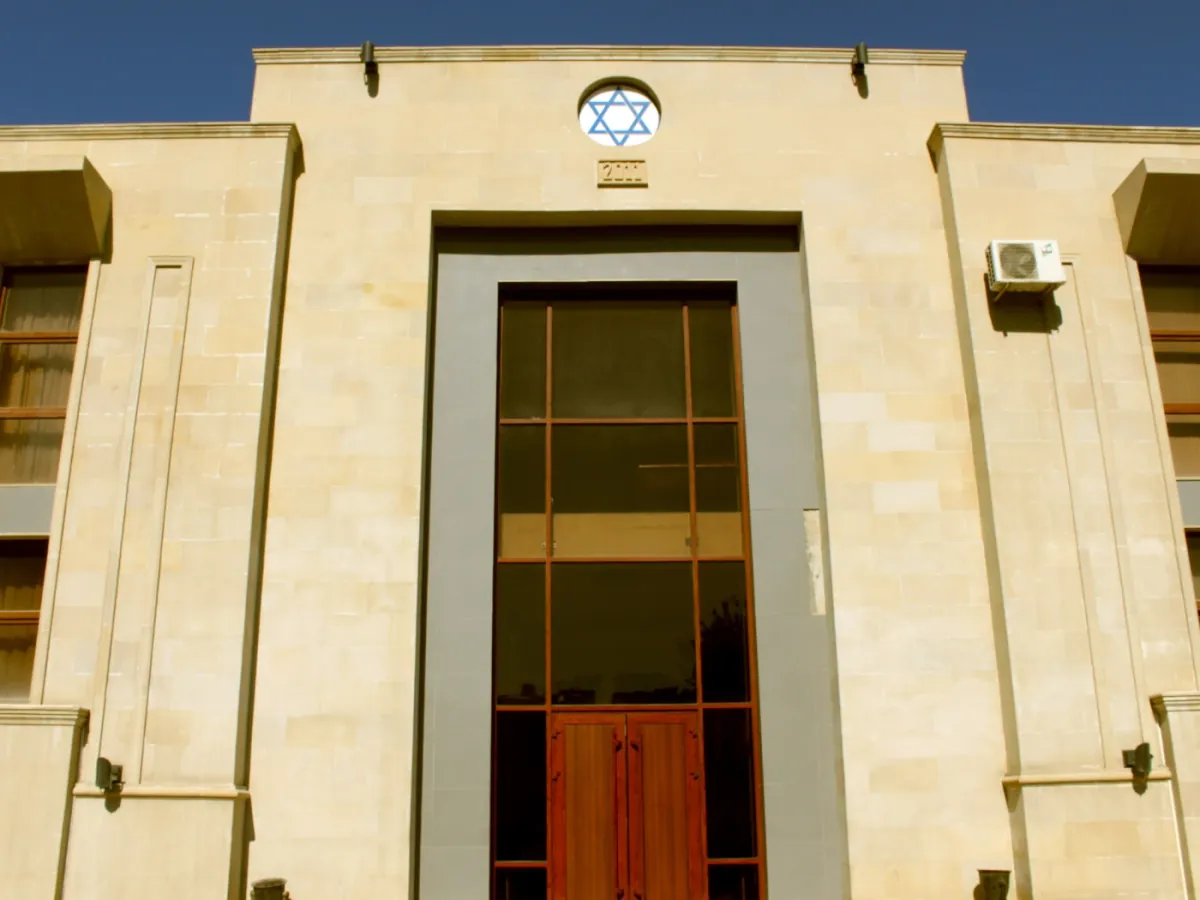
Jewish Baku today
Mountain, Ashkenazi and Georgian Jews live in Baku, each community with its own synagogue and traditions.
Read the essay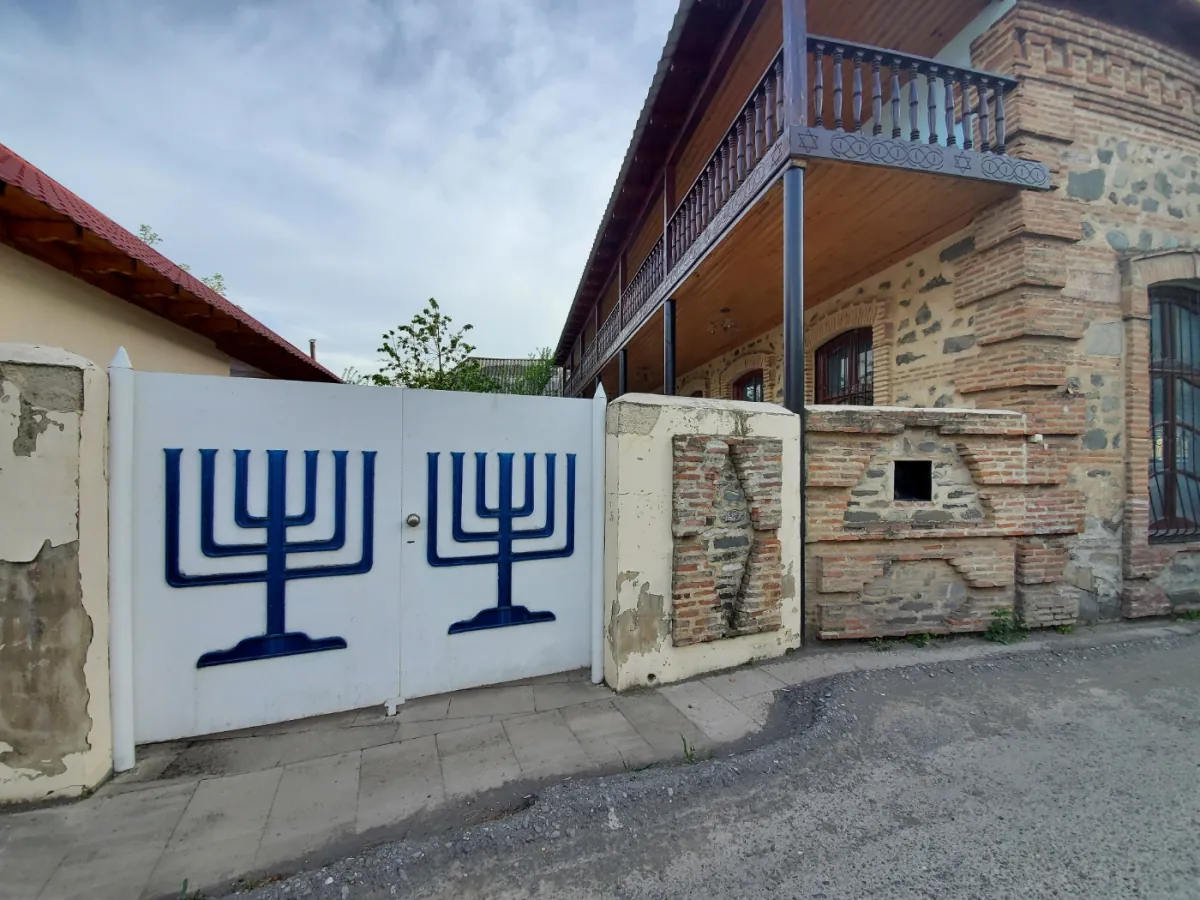
Oğuz: the heritage of a small community
The town of Oğuz (formerly Vartashen) preserves two historic synagogues and an old Jewish cemetery.
Read the essay